Bronchoscopy: a guide for patients
PATIENT EDUCATION
Bronchoscopy: a guide for patients
Bronchoscopy lets your specialist look inside your windpipe and the larger breathing tubes in your lungs. A thin, flexible tube with a small camera and light is gently passed through the mouth or nose.
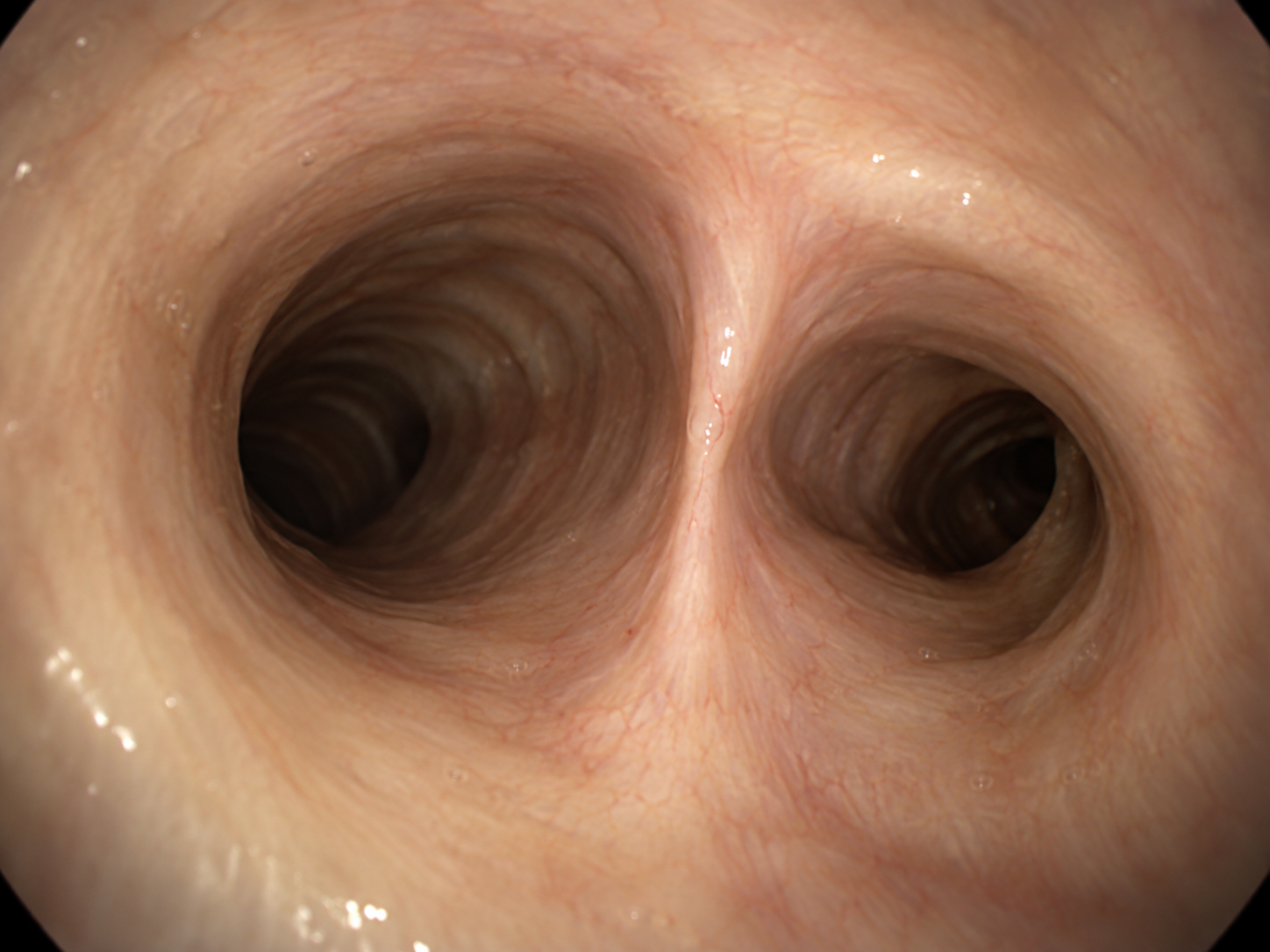
Why might I need it?
It may help explain a persistent cough, coughing up blood, a suspected infection or an abnormal finding on a chest scan. If needed, small samples of fluid or tissue can be taken for laboratory testing.
What can I expect?
Your team will explain the procedure, its benefits and risks, and how you will be kept comfortable. Numbing medicine and sedation are commonly used. You will be monitored during the procedure and while you recover.
How should I prepare?
Follow your team's instructions about fasting and medicines. Tell them about allergies and any blood-thinning or diabetes medicines; do not stop medicines without advice. If you receive sedation, arrange for an adult to take you home and follow the driving and supervision instructions you are given.
After the procedure
A mild sore throat or cough can occur. Bleeding and other complications are possible, particularly with some biopsies; your specialist will discuss your individual risks. Seek urgent medical help for worsening breathlessness, chest pain or significant coughing up of blood. Your team will explain when and how you will receive your results.
Questions, bookings or referrals
Referrals are welcome by phone on 044 803 2497 or by email to reception@dredgar.co.za. All referrals are screened to triage urgency, and an appointment will be promptly arranged.
This is a brief overview, not personalised preparation or discharge advice.
Further reading: North Bristol NHS Trust: Bronchoscopy and The Dudley Group NHS: Flexible bronchoscopy. Follow the instructions provided by your own treating team.