Flexible bronchoscopy: a practical referral guide for GPs
CLINICAL REFERRAL GUIDE · 13 SEPTEMBER 2026
Flexible bronchoscopy: a practical referral guide for GPs
The diagnostic role of airway inspection and sampling, patient selection, limitations and when respiratory referral is appropriate.
The role of flexible bronchoscopy
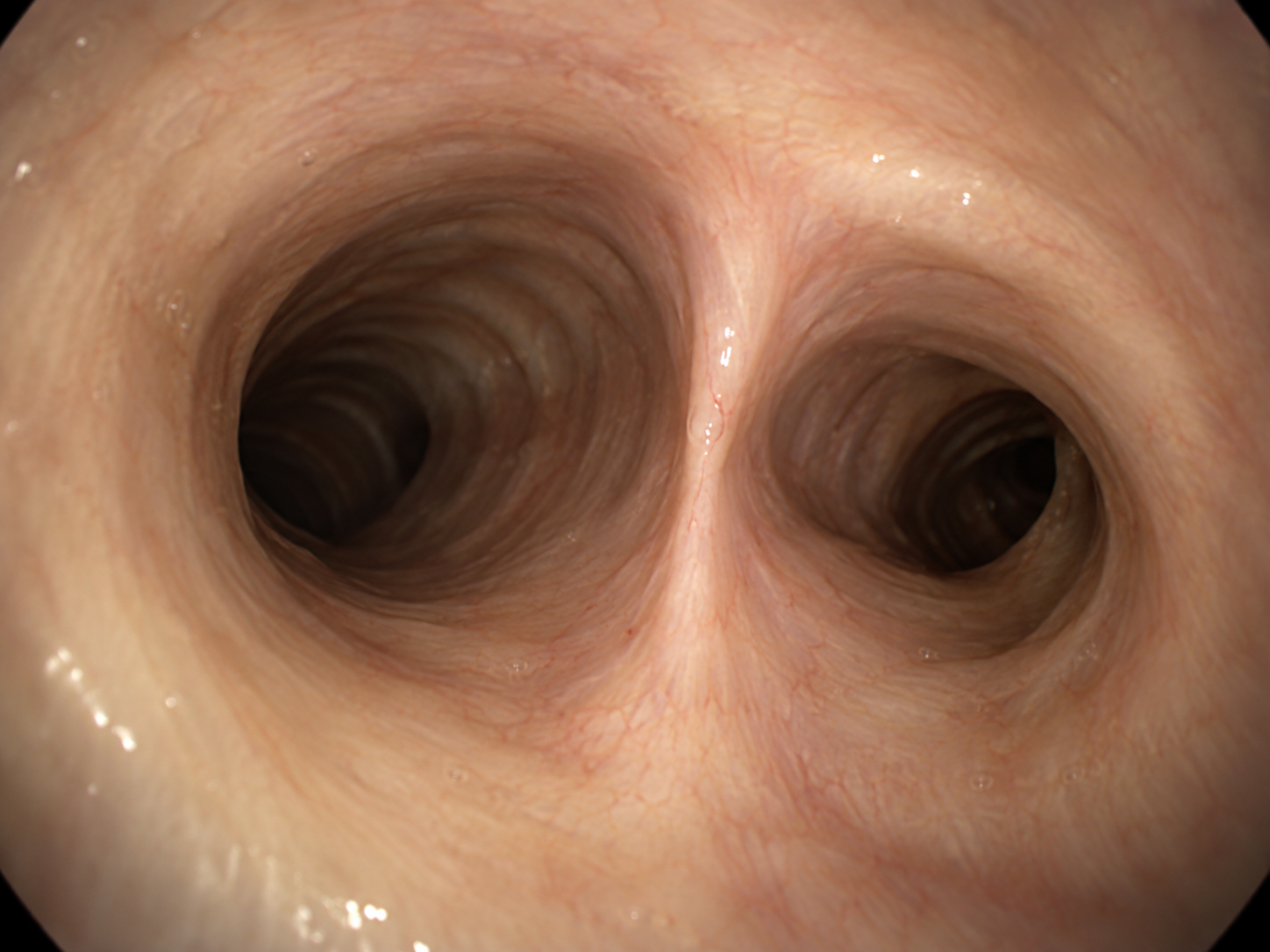
Flexible bronchoscopy enables direct inspection of the central airways and targeted sampling through washings, bronchoalveolar lavage, brushings or biopsy. The sampling strategy follows the clinical question and CT findings. It is particularly useful when an endobronchial abnormality is suspected or when lower-respiratory specimens are needed and non-invasive testing has been insufficient.
Which patients may benefit?
- Patients with a central lesion, unexplained lobar collapse or suspected airway obstruction on imaging.
- Patients with persistent or recurrent haemoptysis after initial assessment, with the investigation tailored to CT findings and malignancy risk.
- Selected patients with non-resolving or recurrent focal infection, or suspected opportunistic infection, when sampling could change management.
Bronchoscopy is not a routine first investigation for uncomplicated cough, asthma or COPD. Some peripheral lesions are better approached by another biopsy technique. If lymph-node staging is important, EBUS-TBNA may be more appropriate than conventional bronchoscopy alone. NICE diagnostic and staging guidance; Joint adult diagnostic bronchoscopy recommendations.
When to consider referral
Refer for unexplained imaging abnormalities, recurrent pneumonia in the same region, ongoing haemoptysis, or persistent symptoms with concerning clinical features. Referral should request respiratory assessment rather than assume bronchoscopy is necessary. The specialist will weigh likely diagnostic yield against procedural risk.
Helpful referral information
Include symptom duration, smoking and exposure history, TB risk and available sputum results, immune status, imaging and previous treatments. State oxygen requirements, cardiorespiratory comorbidities, allergies and all antithrombotic medicines.
Risks depend on sampling and patient factors and include hypoxaemia, bleeding and sedation-related events; transbronchial lung biopsy also carries pneumothorax risk. Antithrombotic management and fitness for sedation require an individual plan. BTS diagnostic bronchoscopy guideline.
Discuss a referral
Referrals are welcome by phone on 044 803 2497 or by email to reception@dredgar.co.za. All referrals are screened to triage urgency, and an appointment will be promptly arranged.
George consultations begin in November 2026. Milnerton consultations continue until the end of October 2026.
Educational information for healthcare professionals. Referral decisions and investigations should be individualised to the patient and local resources. Phone and email referrals do not replace emergency assessment.